Window Replacement
Top Window Installation Mistakes to Avoid
Bad measurements, poor sealing, wrong tools, code issues and too much foam — the most common window installation mistakes and how to avoid drafts, leaks and damage.
Key takeaways
- Proper installation is what makes a window efficient, weather-tight and long-lasting.
- Common mistakes lead to drafts, leaks, rot and voided warranties.
- Measure carefully, seal in layers, follow the manufacturer's instructions and local code.
- Inspect and maintain windows regularly after installation.
Proper window installation improves your home’s energy efficiency, appearance and value. Mistakes, on the other hand, lead to drafts, leaks and even structural damage. Here are the most common pitfalls — and how to avoid them.
1. Improper measurements
Inaccurate measurements are one of the most frequent mistakes. A window that doesn’t fit leaves gaps that let in water and air, or can’t be set level and square. Measure the opening in several places, check that it’s level and plumb, and order to the smallest dimension. Even small errors cause big fitting problems.
2. Inadequate sealing
Poor sealing leads to moisture damage, mold and lost efficiency. A good installation is a layered assembly — flashing, sealant and interior air seal — that sheds water outward and stops air from passing through. Use the right sealants and weatherstripping, and inspect seals periodically for wear.
3. Neglecting structural considerations
If the rough opening isn’t properly sized, level or sloped, you can end up with sagging frames, leaks and damage to the wall. The sill should direct water out, away from the building. Fix structural problems before the new window goes in.
| Issue | Impact | Resolution |
|---|---|---|
| Improper sizing | Sagging or binding frames | Measure accurately; correct the opening |
| Poor sill slope | Water collects in the wall | Slope and flash the sill to drain outward |
| Damaged framing | Structural and moisture problems | Inspect and repair before installation |
4. Using the wrong tools or techniques
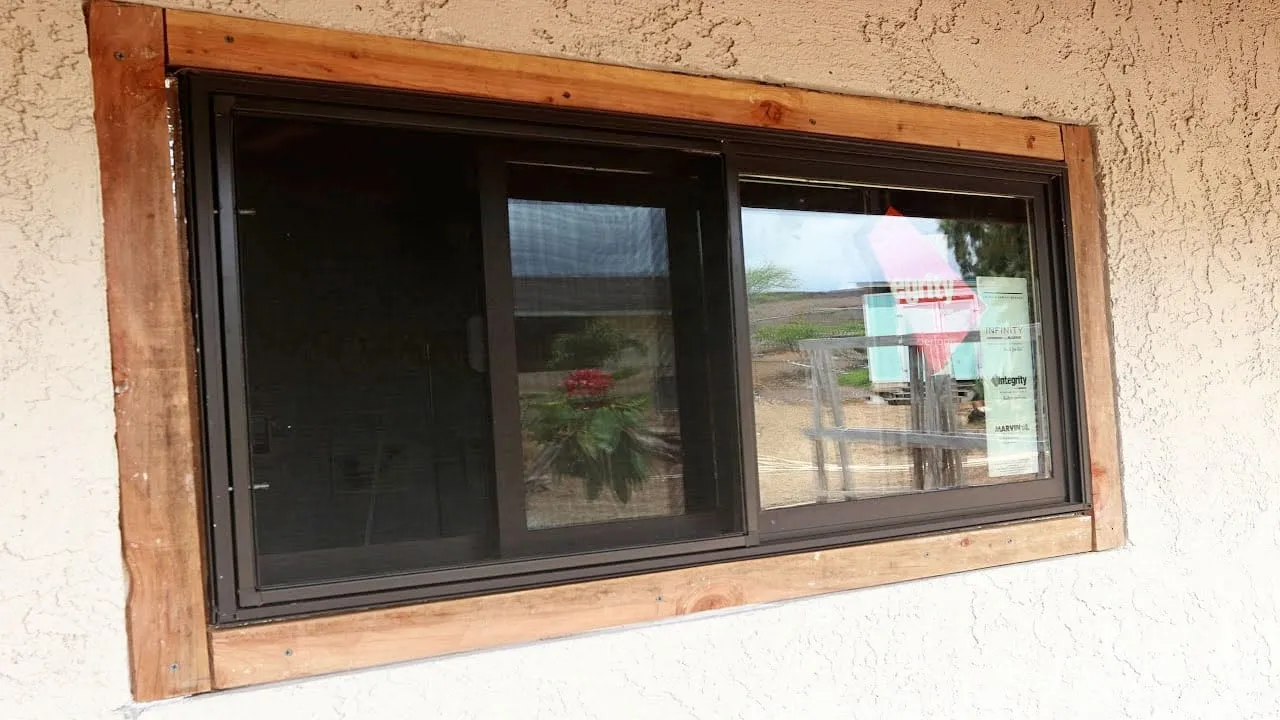
Each window comes with manufacturer installation instructions — fastener type, spacing, shimming and sealing details. Ignoring them can damage the window and void the warranty. Use the right tools and follow the instructions to the letter.
5. Ignoring local building codes
Codes cover things like egress size in bedrooms, safety (tempered) glass near doors, tubs and stairs, and energy requirements. Ignoring them can mean failed inspections, safety hazards and trouble at resale. Confirm requirements before you order.
6. Skipping insulation and energy-efficiency measures
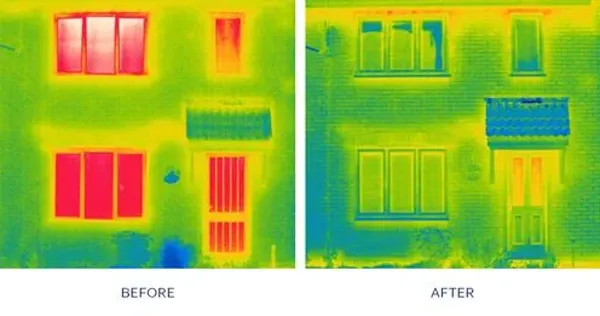
The gap between the window frame and the rough opening must be insulated and air-sealed, or you’ll have drafts no matter how efficient the window is. Use low-expansion insulation designed for windows and doors.
7. Installing on dirty surfaces
Sealants and flashing tapes need clean, dry surfaces to bond. Dust, old caulk and debris compromise the seal and lead to leaks. Clean and dry the opening before installation.
8. Over-using foam insulation
Expanding foam is useful, but too much — or the wrong type — can bow frames so windows stick or won’t lock. Foam is not a fastener: windows must be secured with the proper mechanical fasteners, with low-expansion foam used only to fill the gap.
9. Skipping checks during installation
Check that the window is centered, level, plumb and square as it’s fastened, and test operation before sealing and trimming. Small misalignments become big problems once the trim is on.
10. Leaving protective film on too long
Many windows ship with protective film on the glass or frame. Remove it promptly after installation — sun and heat can bake the adhesive on and make it very difficult to remove.
The bottom line
Avoiding these mistakes is the difference between windows that perform for decades and windows that leak, stick and waste energy. If you’d rather have it done right the first time, see our window replacement service, browse recent installations, read customer reviews, or contact us for a free estimate.