Window Replacement
Upgrading Your 1990s Home: The Benefits and Costs of Installing New Windows
Many 1990s homes still have original builder-grade windows. Here's what replacing them gets you, what drives the cost, and what the installation process looks like.
Key takeaways
- Original windows in 1990s homes are now 30+ years old — failed seals, drafts and worn hardware are common.
- New windows improve efficiency, comfort, noise, security and curb appeal.
- Cost depends on window type, size, material, quantity and installation method.
Homes built in the 1990s are now more than three decades old, and many still have their original builder-grade windows. If you’re thinking about upgrades that improve energy efficiency, comfort and looks, new windows are one of the most impactful projects you can take on. Here’s what to expect in benefits and costs.
Benefits of new windows in a 1990s home
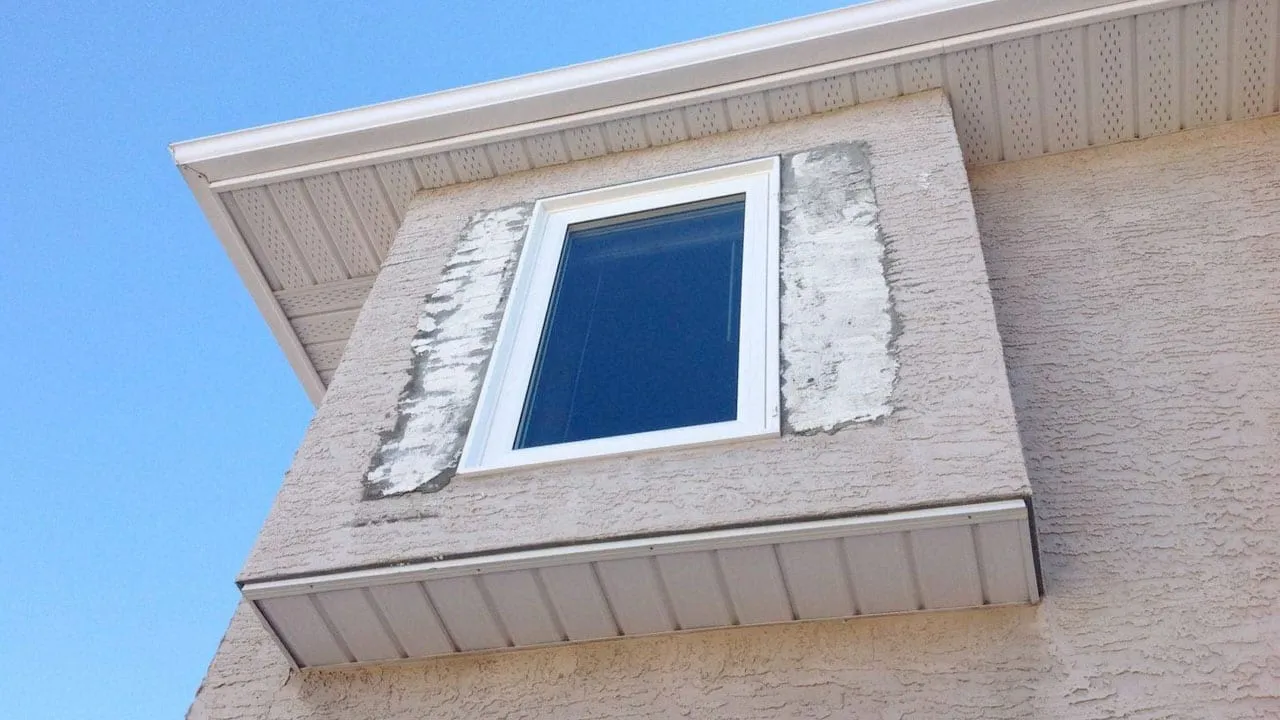
- Energy efficiency. Modern low-E, gas-filled windows reduce heat loss in winter and heat gain in summer, which can lower heating and cooling bills.
- Home value. Updated windows improve curb appeal and are attractive to buyers.
- Quieter rooms. New windows seal better and often noticeably reduce traffic and neighborhood noise.
- More natural light. Slimmer frames and clearer glass can make rooms feel brighter.
- A fresh look. New frame colors, grids and styles can transform a house inside and out.
- Security. Modern windows come with better locks and hardware.
What new windows cost
Window replacement costs vary widely. National averages commonly run from several hundred to over a thousand dollars per window installed, and premium, oversized or custom units cost more. The best way to know is a measured, written quote.
What drives the price:
- Window type and frame material (vinyl, fiberglass, wood, etc.)
- Size and number of windows
- Retrofit versus full-frame installation
- Glass package (low-E, triple-pane, obscure or tempered glass)
- Any repairs needed to the openings
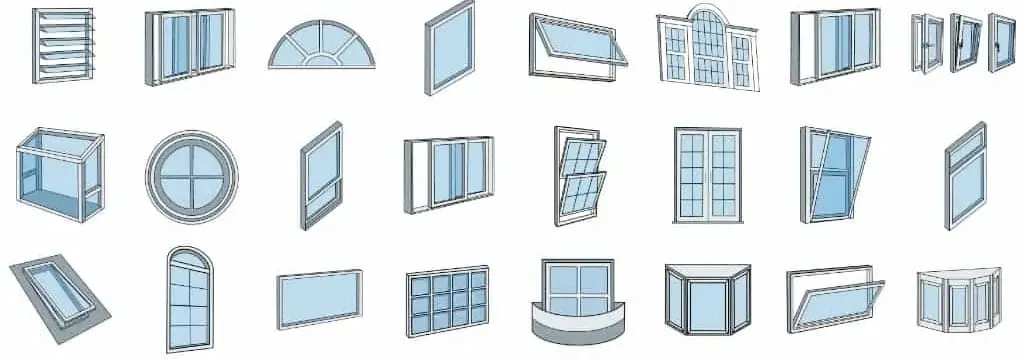
Window styles to consider
- Double-hung windows — two sashes that move up and down for flexible ventilation and easy cleaning.
- Casement windows — hinged on one side and opening outward, with excellent ventilation and a tight seal.
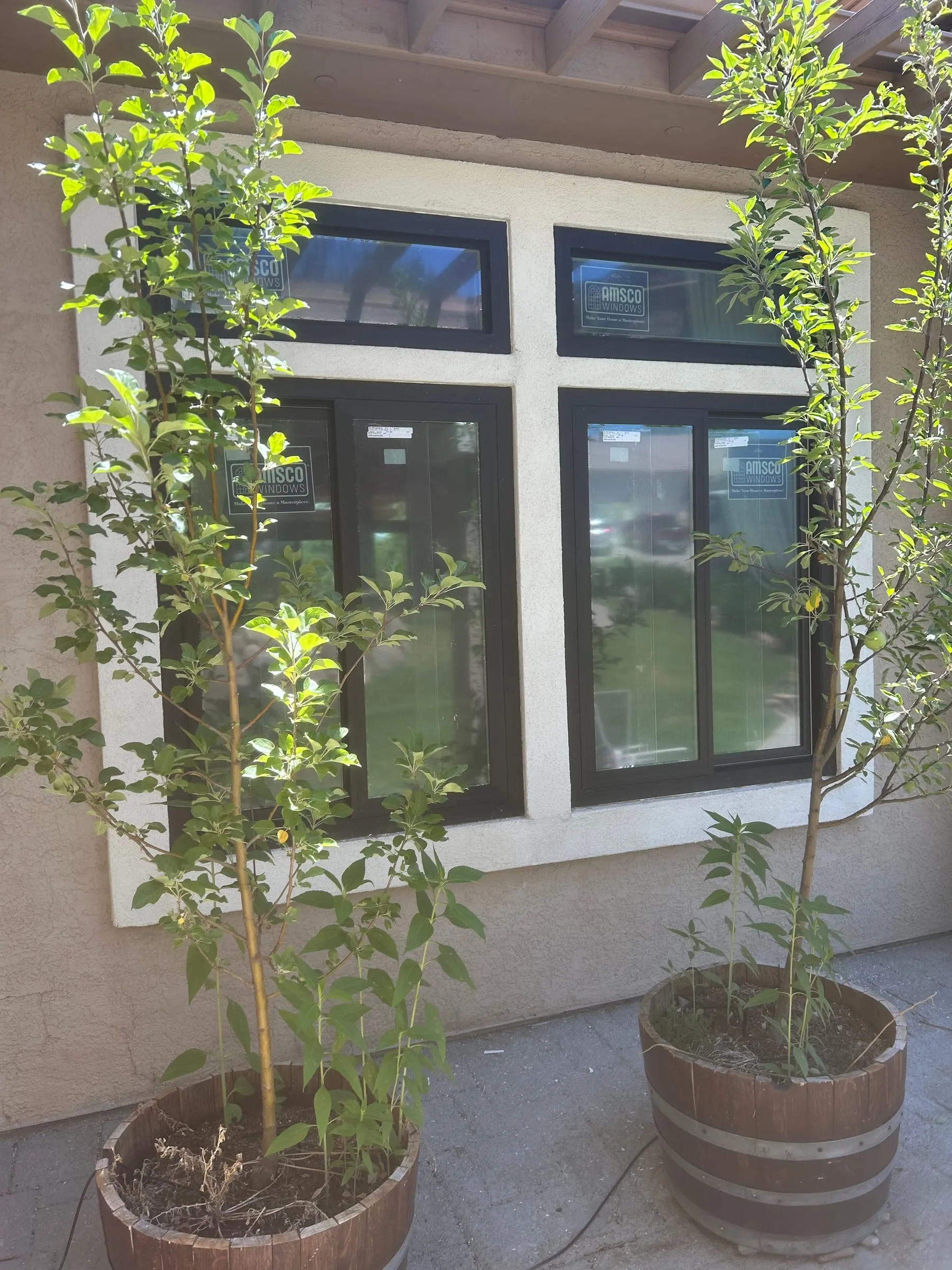
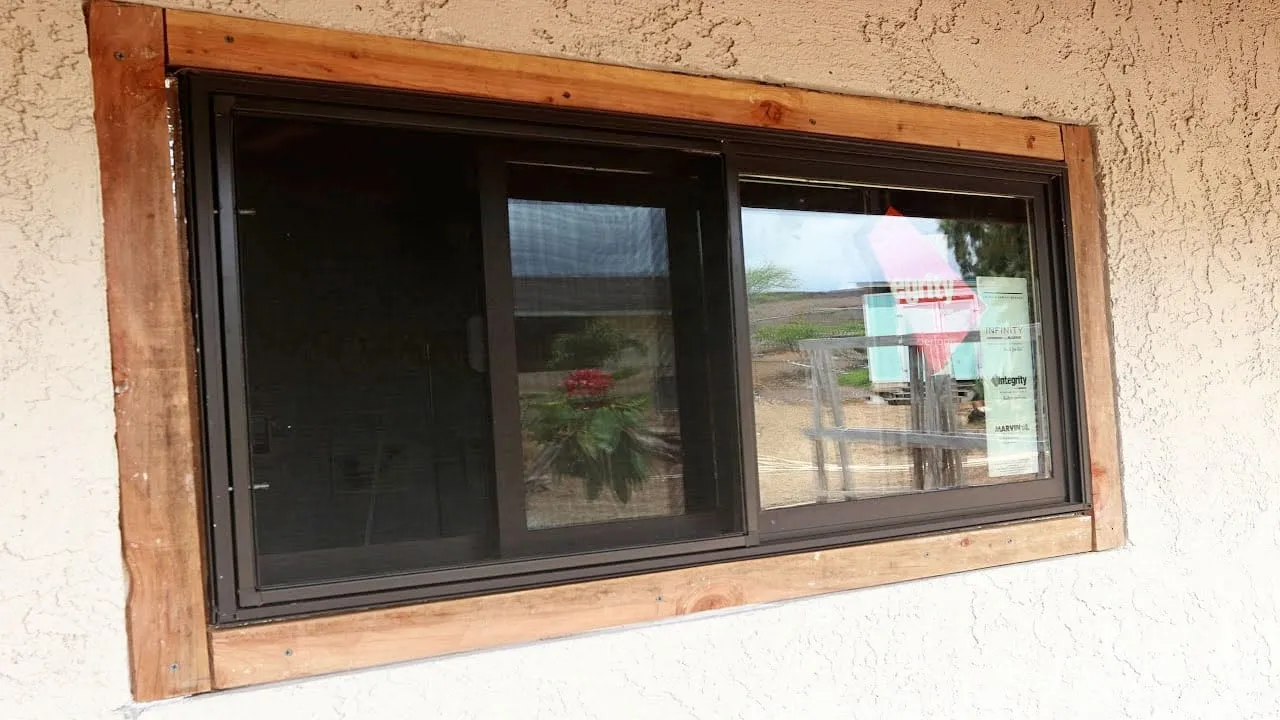
- Sliding windows — slide horizontally; ideal where you don’t want a sash swinging outward.
- Bay windows — a large center window flanked by angled side units, adding space and light.
The installation process
- Assessment. A professional evaluates your current windows and talks through your needs.
- Selection. You choose the styles, colors and glass for each opening.
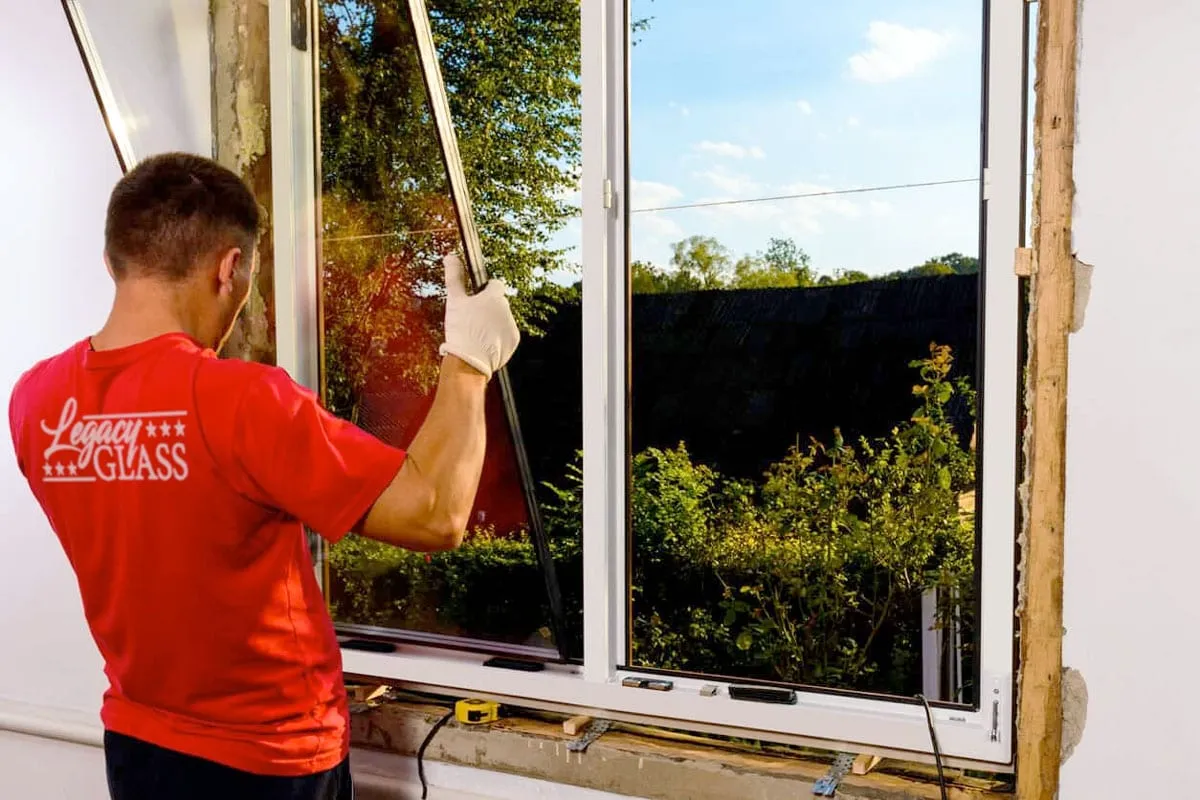
- Installation. Experienced installers remove the old windows and install the new ones, sealing and trimming each one.
Some homeowners consider DIY, but professional installation is the way to ensure proper fit, function and warranty coverage — see the most common installation mistakes.
Return on investment
New windows pay back in two ways:
- Energy savings. Replacing single-pane or failed double-pane windows with efficient models reduces energy use; ENERGY STAR publishes regional savings estimates.
- Home value. Remodeling magazine’s annual Cost vs. Value report has consistently shown window replacement recouping a large share of its cost at resale — typically in the range of two-thirds or more nationally.
Upgrading the windows in your 1990s home improves efficiency, comfort and appearance all at once. If you’re in the Reno area, request a free estimate — we’ll measure, explain your options honestly, and give you a clear written quote.