Energy Efficiency
Boost Your Home's Efficiency: The Impact of Window Replacement on Energy Savings
How replacing old windows cuts heat loss, drafts and energy bills — what makes a window efficient, what the ratings mean, and how installation affects savings.
Key takeaways
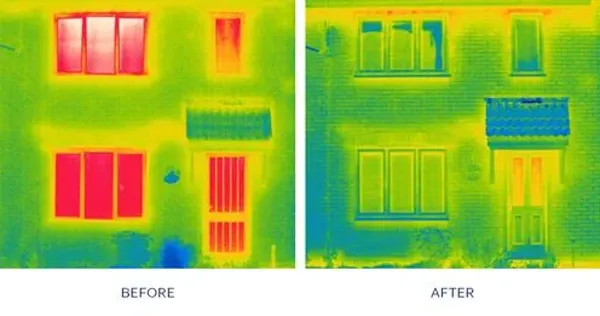
- Heat gain and loss through windows accounts for roughly 25–30% of residential heating and cooling energy use, according to the U.S. Department of Energy.
- Double- or triple-pane glass, low-E coatings, gas fills and warm-edge spacers are what make a modern window efficient.
- Compare windows by U-factor, SHGC and visible transmittance on the NFRC label.
- Even the best window underperforms if it isn't installed and sealed correctly.
Energy costs keep climbing, and homeowners are looking for upgrades that actually move the needle. Window replacement is one of the most effective — and most often overlooked. In this guide we’ll look at how replacing old windows leads to real energy savings, better comfort, and a quieter, more valuable home.
The energy drain of old windows
Windows play a crucial role in your home’s thermal envelope. Older windows — especially single-pane units and early double-pane windows whose seals have failed — insulate poorly. They let heat escape in winter and pour it in during summer, so your furnace and air conditioner work overtime. According to the U.S. Department of Energy, heat gain and loss through windows is responsible for roughly 25–30% of residential heating and cooling energy use.
Common problems with old windows include:
- Air leakage around frames and sashes
- Poor insulation in single-pane glass
- Deteriorated weatherstripping
- Warped or damaged frames
- Failed seals, leaving fogged glass and lost gas fill
What makes a window energy-efficient
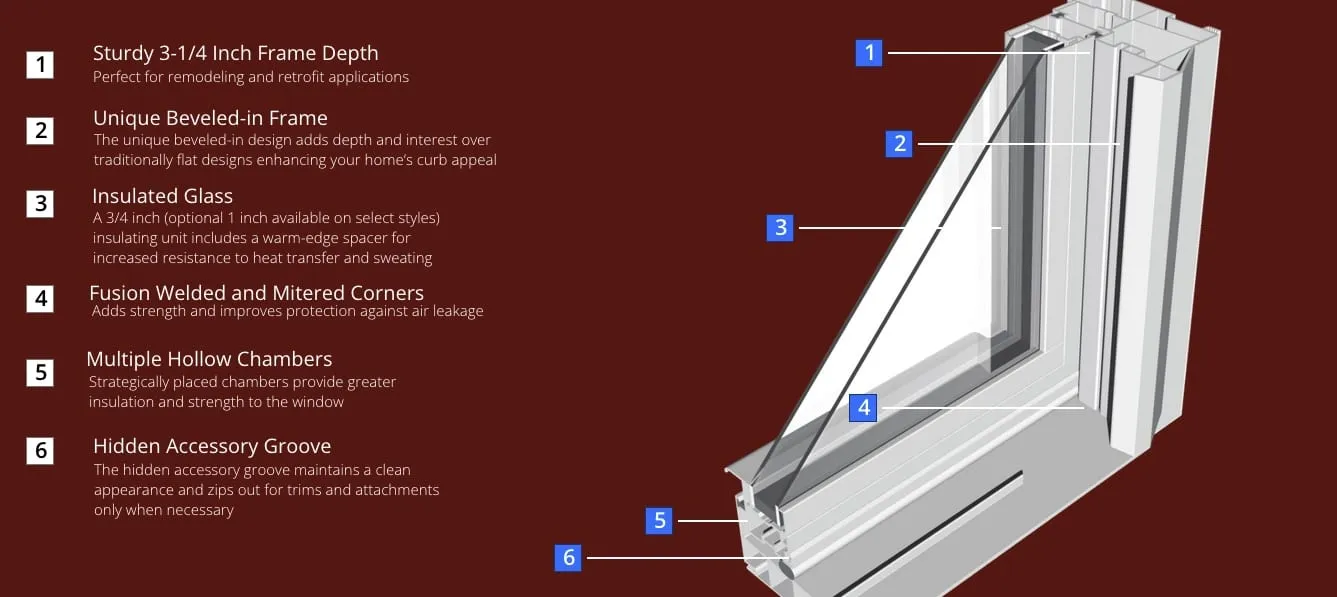
Modern energy-efficient windows combine several technologies to create a much better barrier between inside and out:
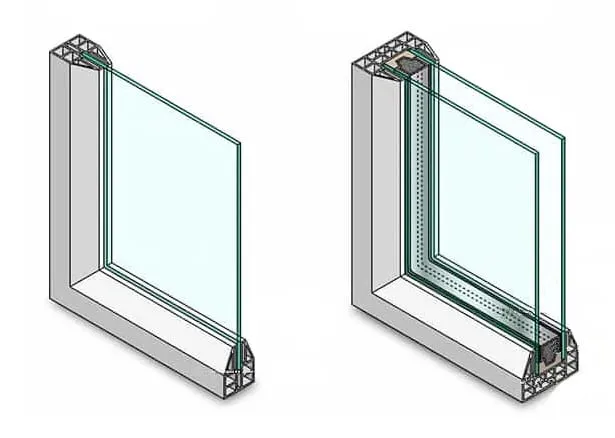
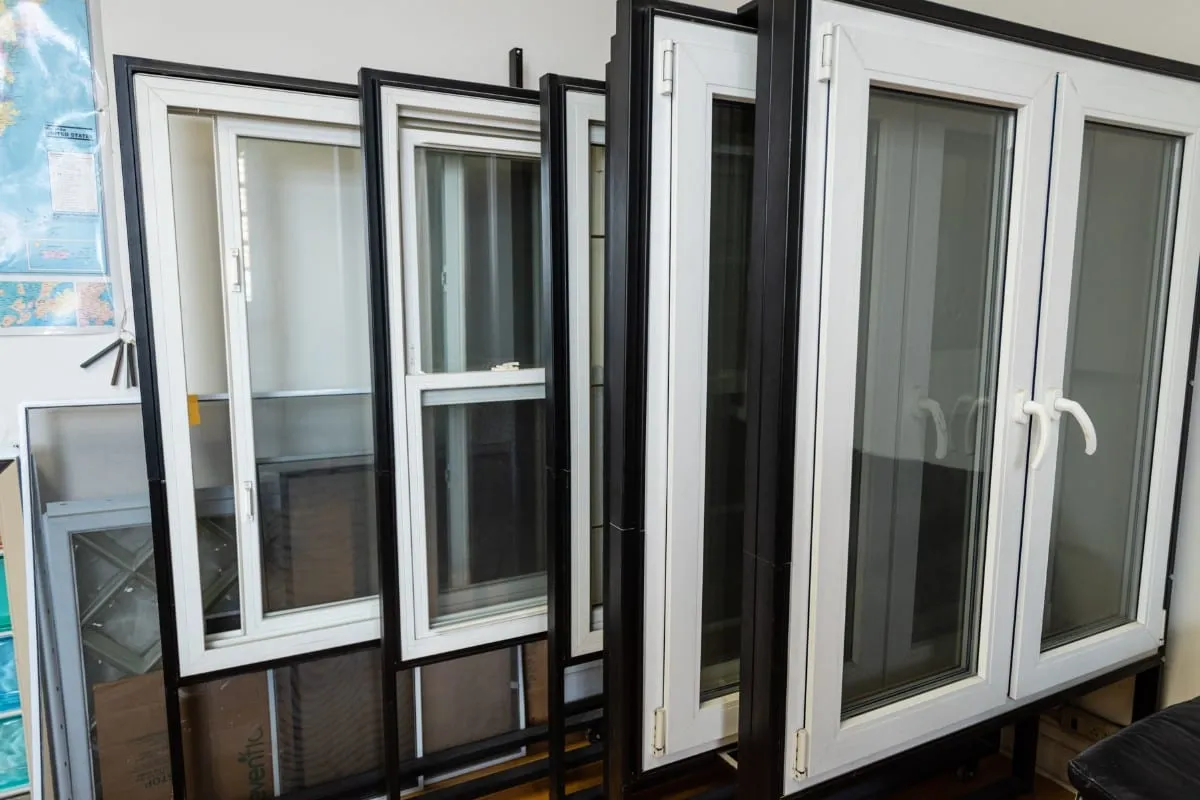
- Multiple panes. Double- or triple-pane glass with an inert gas (usually argon) between the layers.
- Low-E coatings. Microscopically thin coatings that reflect heat while letting visible light through — keeping heat in during winter and out during summer.
- Better frame materials. Vinyl, fiberglass and composite frames insulate far better than old aluminum frames.
- Warm-edge spacers. Reduce heat transfer at the edge of the glass, which also cuts down on condensation.
- Professional installation. A properly sealed installation is what lets all of the above actually perform.
Quantifying the savings
How much you save depends on your local climate, the windows you’re replacing, the new windows you choose and how efficient the rest of your home is. Replacing single-pane windows typically delivers the biggest gains; replacing older clear-glass double-pane windows with ENERGY STAR certified units saves less, but still improves comfort noticeably. ENERGY STAR publishes savings estimates by region if you’d like a ballpark for your home.
Beyond energy bills
The benefits of window replacement go well beyond your utility bill:
- Comfort. No more drafts or cold spots near the glass.
- UV protection. Low-E glass blocks most UV rays, protecting floors, furniture and artwork from fading — a real concern under Reno’s high-altitude sun.
- Noise reduction. Multiple panes and better seals make a home noticeably quieter.
- Home value. Updated windows improve curb appeal and are attractive to buyers.
- A smaller footprint. Using less energy means fewer emissions.
Choosing the right windows
When comparing windows, look at the NFRC label and these ratings:
- ENERGY STAR certification for your climate zone.
- U-factor — how well the window insulates. Lower is better.
- Solar Heat Gain Coefficient (SHGC) — how much solar heat passes through. Lower means less heat gain; the right number depends on which way the window faces.
- Visible Transmittance (VT) — how much daylight comes through. Higher means a brighter room.
Installation is critical
Even the most efficient window won’t perform if it isn’t installed correctly. A professional installation makes sure:
- The window is properly sealed against air and water leakage
- Gaps around the frame are insulated
- The window is level, plumb and square so it operates and locks properly
- Existing water damage or structural issues are found and addressed
Return on investment
Window replacement is a significant investment, so it helps to look at the whole picture. Quality windows typically last 20–30 years, so energy savings accumulate for decades — and they come with better comfort, less noise, UV protection and improved curb appeal that don’t show up on a utility bill.
The bottom line
Replacing old windows with energy-efficient models lowers energy use, improves comfort and adds value to your home. As you plan the upgrade:
- Choose windows suited to your climate
- Look for ENERGY STAR certified products
- Insist on professional installation
- Weigh the long-term benefits, not just the up-front price
Thinking about new windows for your Reno-area home? Request a free estimate and we’ll walk you through the options — no pressure.