Energy Efficiency
Best Energy-Efficient Windows for Homeowners
What makes a window energy-efficient, how to read U-factor and SHGC ratings, double- vs triple-pane, costs, and what changed with federal window tax credits.
Key takeaways
- Heat gain and loss through windows accounts for roughly 25–30% of residential heating and cooling energy use (U.S. Department of Energy).
- Compare windows by U-factor, SHGC, air leakage and visible transmittance on the NFRC label.
- Double-pane low-E is the standard; triple-pane adds insulation and quiet.
- The federal 25C tax credit for windows ended for windows installed after December 31, 2025.
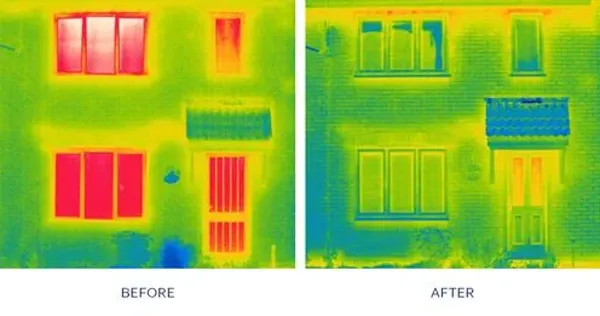
Heat gain and loss through windows is responsible for roughly 25–30% of residential heating and cooling energy use, according to the U.S. Department of Energy. That makes windows one of the biggest opportunities to cut energy bills and make a home more comfortable. This guide explains what makes a window energy-efficient, how to compare products, and what to budget.
What makes a window energy-efficient
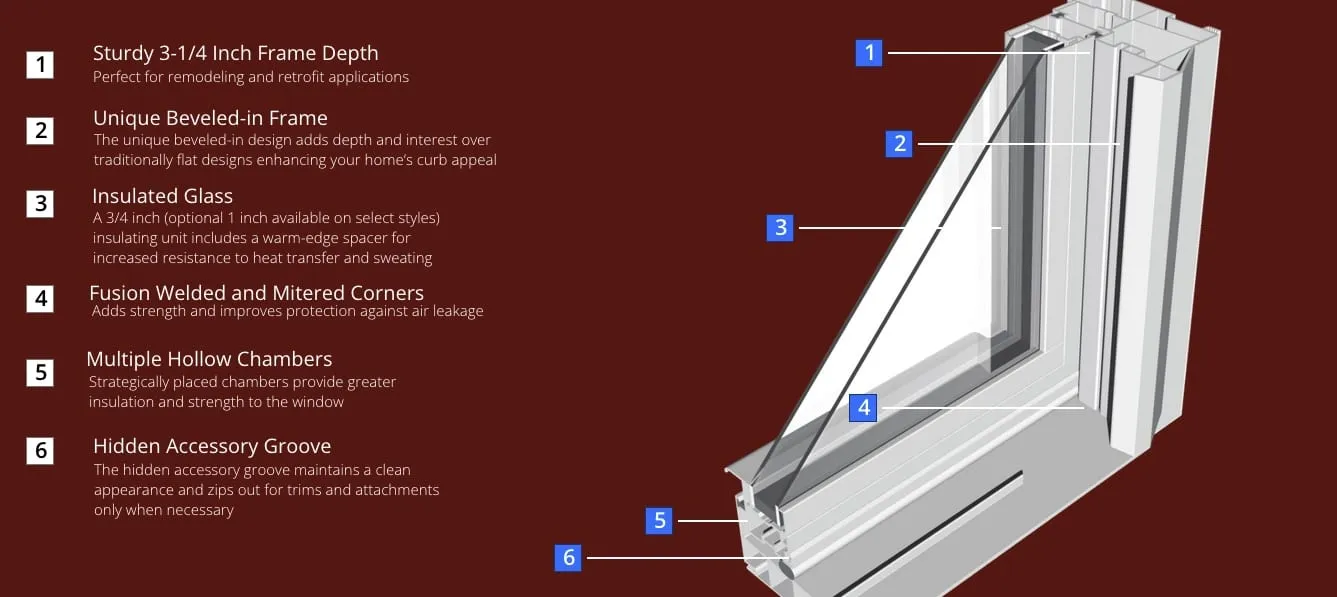
Energy-efficient windows minimize heat transfer so your home stays comfortable with less heating and cooling. They combine several technologies:
- Insulated glass — two or three panes with sealed spaces between them
- Low-E coatings — microscopically thin layers that reflect heat while letting light through
- Gas fills — argon or krypton, which conduct heat less than air
- Warm-edge spacers — reduce heat loss and condensation at the edge of the glass
- Insulating frames — vinyl, fiberglass and composite frames outperform old aluminum
Double-pane vs. triple-pane
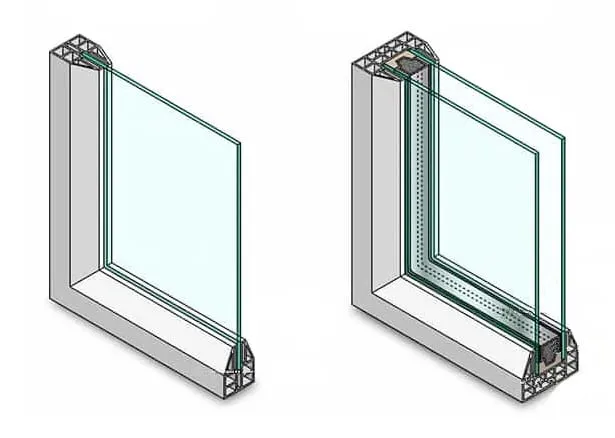
Double-pane windows are the standard for most homes: two layers of glass separated by an insulating space, which significantly reduces heat transfer and noise compared with single-pane glass.
Triple-pane windows add a third layer for even better insulation and sound control. They cost more and weigh more, so they make the most sense on exposed elevations, in colder or higher-altitude locations, or where noise is a concern. See why modern double-pane windows outperform older ones.
Energy ratings explained
Every certified window carries an NFRC (National Fenestration Rating Council) label with these ratings:
| Rating | What it measures | What you want |
|---|---|---|
| U-factor | How fast heat escapes through the window | Lower is better |
| Solar Heat Gain Coefficient (SHGC) | How much of the sun’s heat comes through | Lower for hot, west-facing glass; higher can help on south-facing glass in cold climates |
| Visible Transmittance (VT) | How much daylight comes through | Higher means brighter rooms |
| Air Leakage | How much air passes through the unit | Lower is better |
| Condensation Resistance | How well the window resists interior condensation | Higher is better |
ENERGY STAR certification sets maximum U-factor and SHGC values by climate zone, which makes it a useful shortcut when comparing products.
Cost considerations
Prices vary widely with window type, size, frame material, glass package and installation method — from several hundred dollars to well over a thousand per window installed. Budget for the complete installed price rather than the window alone, and get a measured, written quote. Our guide to replacing windows in a 1990s home covers what drives cost.
Savings on energy bills
Homeowners often see noticeably lower heating and cooling bills after upgrading — and an immediate improvement in comfort. The biggest savings come from replacing single-pane windows or double-pane units whose seals have failed.

Installation matters
Proper installation is what makes efficient windows perform. A window that isn’t level, sealed and insulated around the frame will leak air and water no matter how good its ratings are. Read about the most common installation mistakes.
Benefits beyond energy savings
Upgrading windows also improves curb appeal, comfort, noise and UV protection, and is attractive to buyers — see how new windows affect home value.
Choosing windows for your climate
Homes in climates with temperature extremes benefit most. In Northern Nevada, insulation (U-factor) matters most for our cold winters, while SHGC matters on west- and south-facing windows that take the afternoon sun. A good installer will help you choose glass by orientation, not just by product line.
What happened to the window tax credit?
From 2023 through 2025, the federal Energy Efficient Home Improvement Credit (Section 25C) covered 30% of the cost of qualifying windows, up to $600 a year. Legislation passed in 2025 ended the credit for property placed in service after December 31, 2025, so windows installed in 2026 no longer qualify. Utility and local programs change frequently — check with NV Energy for current offers, and consult a tax professional about your situation.
Myths about energy-efficient windows
- “All double-pane windows are the same.” Coatings, gas fills, spacers and frames make a big difference — and old units lose performance as seals age.
- “New windows don’t pay off.” Energy savings are only part of the return; comfort, noise reduction, UV protection and resale appeal add up too.
- “Efficiency is all about the glass.” The frame and the installation matter just as much.
Making the right choice
Energy-efficient windows lower energy bills, improve comfort and add value to your home. If you’re in the Reno, Sparks, Carson City or Lake Tahoe area, request a free estimate and we’ll help you compare options for your home.