Energy Efficiency
Double-Pane Windows: Why Newer Generations Are So Much More Energy Efficient
From simple air gaps to low-E coatings, argon fills and warm-edge spacers — how double-pane windows evolved, and why today's units outperform older ones.
Key takeaways
- Early double-pane windows were simple air-gap units prone to seal failure.
- Modern units add low-E coatings, argon fills and warm-edge spacers.
- A 25–30-year-old double-pane window may perform far below a new one — especially if its seal has failed.
Double-pane windows have become standard in modern construction because of their energy-efficiency benefits. But not all double-pane windows are equal — a unit made today performs very differently from one made 30 years ago. Understanding how the technology has evolved helps explain why replacing even “double-pane” windows can be worthwhile.
The origins of double-pane windows
Insulated glass began to catch on in the mid-20th century as a way to improve on single-pane glass. Early designs were simple: two panes of glass separated by an air gap. They insulated better than single panes, which were prone to heat loss and condensation, but early units struggled with poor seals and limited durability.
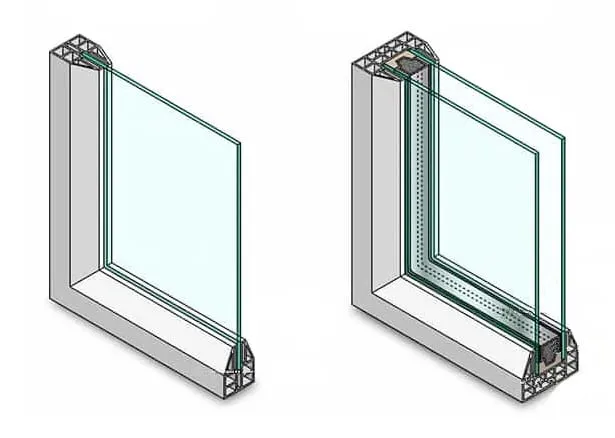
How double-pane windows evolved
Over the decades, double-pane windows improved dramatically. Vinyl and fiberglass frames enhanced durability and thermal performance, and better sealing techniques reduced the air and moisture infiltration that plagued early designs.
The science behind them
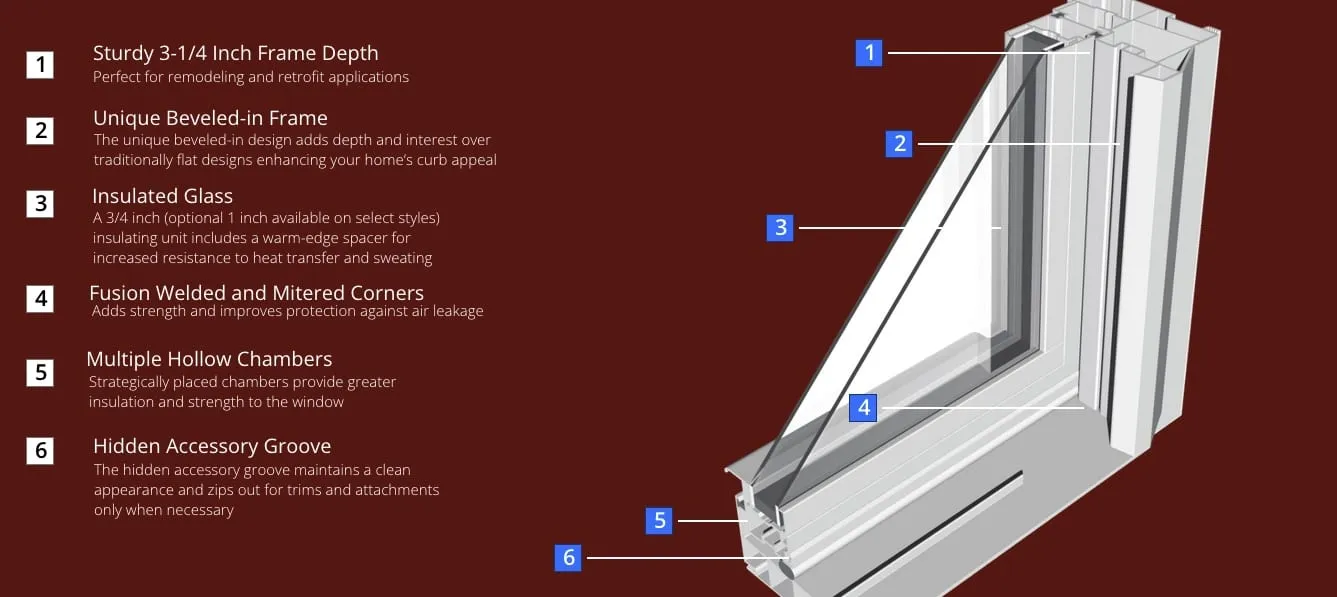
Double-pane windows create an insulating barrier between inside and out. The space between the panes is often filled with an inert gas like argon or krypton, which conducts heat less than air. Modern units also add low-E (low-emissivity) coatings that reflect infrared heat — keeping it inside in winter and outside in summer.
Modern double-pane features and benefits
- Low-E coatings tuned for climate and window orientation
- Argon or krypton gas fills
- Warm-edge spacers that reduce heat loss and condensation at the edge of the glass
- Better seals that keep gas in and moisture out for longer
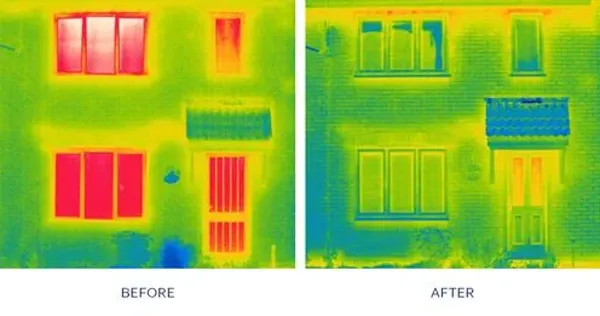
Together these reduce energy bills, improve comfort near the glass and cut outside noise.
Comparing double-pane to single-pane
The difference is striking: double-pane windows insulate far better than single-pane glass, leading to meaningful energy savings over time. While the up-front cost is higher, reduced energy bills and better comfort make them the clear choice for nearly every home.
When older double-pane windows need replacing
Seals on insulated glass eventually fail. When they do, moisture gets between the panes and the gas fill escapes — you’ll see fogging or haze you can’t clean. If only a few units have failed and the frames are sound, replacing just the glass may make sense. If the windows are 25–30 years old and many are failing, full window replacement usually delivers better value.
The future of insulated glass
Triple-pane glass, more advanced coatings and “smart” glass that can tint on demand continue to push performance further, and efficient windows remain central to more sustainable buildings.
Double-pane windows have come a long way. If you’d like to see how modern windows would perform in your home, schedule a free consultation with Legacy Glass.